Toilet Water Supply Line Through Floor: Everything You Need to Know
If you're planning on renovating or installing a new toilet, one of the most important things you'll need to consider is the location of the water supply line. In many cases, the water supply line will run through the floor, but what does this mean, and what do you need to know? Read on to find out everything you need to know about toilet water supply lines through the floor.
The water supply line for your toilet is a crucial component of your plumbing system. It connects the toilet tank to the main water supply, providing the water needed for flushing. When it comes to the location of the water supply line, there are a few options. The most common is through the wall, but in some cases, it may be necessary or preferable to have the supply line run through the floor instead.
Section 1: What is a Toilet Water Supply Line Through Floor?
A toilet water supply line through the floor is exactly what it sounds like – a pipe that runs from the main water supply up through the floor and into the toilet tank. This type of supply line is typically used when the bathroom layout makes it difficult or impossible to install a supply line through the wall.
In many cases, the water supply line will be located directly beneath the toilet. This can make it easier to access and repair if necessary, but it can also pose some challenges if there is ever a leak.
Section 2: How is a Toilet Water Supply Line Through Floor Installed?
Installing a toilet water supply line through the floor requires some careful planning and preparation. Here's a step-by-step guide to the installation process:
Determine the location of the toilet. Before you can install the supply line, you'll need to know where the toilet will be located. This will help you determine where to run the supply line.
Choose the right type of supply line. There are a few different types of toilet water supply lines to choose from, including braided stainless steel, copper, and PVC. Consider factors like durability, ease of installation, and cost when choosing the right type for your project.
Cut a hole in the floor. Once you've chosen the location for the supply line, you'll need to cut a hole in the floor to run the pipe through. Make sure the hole is large enough to accommodate the supply line and any necessary fittings.
Install the supply line. Run the supply line up through the hole in the floor and connect it to the toilet tank using the appropriate fittings. Make sure everything is tight and secure to prevent leaks.
Test for leaks. Once the supply line is installed, turn on the water and check for leaks. If you notice any leaks, tighten the connections or replace any faulty components.
Section 3: What are the Advantages of a Toilet Water Supply Line Through Floor?
There are several advantages to installing a toilet water supply line through the floor:
More flexibility in bathroom layout: If your bathroom layout makes it difficult or impossible to install a supply line through the wall, a supply line through the floor may be the best option.
Easier to access and repair: Because the supply line is located directly beneath the toilet, it can be easier to access and repair if there is ever a leak or other issue.
Less visible: A supply line through the floor can be less noticeable than one that runs through the wall, which can be beneficial from an aesthetic perspective.
Section 4: What are the Disadvantages of a Toilet Water Supply Line Through Floor?
While there are some advantages to installing a toilet water supply line through the floor, there are also some potential drawbacks to consider:
Increased risk of leaks: Because the supply line is located directly beneath the toilet, any leaks can cause damage to the floor and other areas of the bathroom.
Difficulty installing in multi-story buildings: Installing a supply line through the floor in a multi-story building may be more difficult due to the need to run the pipe between floors.
Potential for clogs: Because the supply line is located closer to the ground than a wall-mounted supply line, it may be more prone to clogs caused by debris or sediment in the water supply.
Section 5: What are the Common Materials Used for Toilet Water Supply Line Through Floor?
There are several materials that can be used for toilet water supply lines through the floor. Some of the most common include:
Copper: Copper is a durable and long-lasting material that is resistant to corrosion and rust. It can be more difficult to install than some other materials, but it is a popular choice for many plumbers.
PVC: PVC is a lightweight and affordable option that is easy to install. It is also resistant to corrosion and rust, making it a good choice for areas with hard water.
Braided stainless steel: Braided stainless steel is a flexible and durable option that is easy to install and resists kinking and twisting. It is also resistant to corrosion and can last for many years.
Section 6: How to Choose the Right Material for Toilet Water Supply Line Through Floor?
When choosing the right material for your toilet water supply line through the floor, consider factors like durability, cost, ease of installation, and resistance to corrosion and rust. Your plumber can help you choose the right material based on your specific needs and budget.
Section 7: What are the Common Sizes of Toilet Water Supply Line Through Floor?
Toilet water supply lines through the floor come in a variety of sizes to accommodate different toilet models and plumbing configurations. Some of the most common sizes include:
3/8 inch: This is a common size for many toilet supply lines and can work well for most installations.
1/2 inch: A 1/2 inch supply line may be necessary for larger or more high-volume toilets.
Custom sizes: In some cases, a custom size may be required to accommodate unique plumbing configurations or non-standard toilet models.
Section 8: What are the Signs of a Leaking Toilet Water Supply Line Through Floor?
If you have a toilet water supply line through the floor, it's important to keep an eye out for signs of leaks. Some of the most common signs include:
Water damage or stains on the ceiling beneath the bathroom
Damp or wet spots on the bathroom floor
Unpleasant smells coming from the bathroom
Reduced water pressure or slow flushing
If you notice any of these signs, contact a plumber right away to prevent further damage to your home.
Section 9: How to Fix a Leaking Toilet Water Supply Line Through Floor?
Fixing a leaking toilet water supply line through the floor will typically require the help of a professional plumber. Depending on the severity and location of the leak, the plumber may need to:
Replace damaged pipes or fittings
Seal any gaps or cracks in the pipe
Install a new supply line
It's important to address any leaks as soon as possible to prevent further damage and potential mold growth.
Section 10: How to Prevent Leaks in Toilet Water Supply Line Through Floor?
While leaks can sometimes happen despite your best efforts, there are a few things you can do to reduce the risk of leaks in your toilet water supply line through the floor:
Choose high-quality materials: Invest in high-quality pipes and fittings that are designed to last.
Hire a professional plumber: A skilled plumber can ensure that your supply line is installed correctly and free from defects.
Regular maintenance: Schedule regular inspections and maintenance to catch any potential issues before they become major problems.
Be mindful of what you flush: Avoid flushing anything other than toilet paper and human waste to reduce the risk of clogs and other damage to your plumbing system.
Section 11: How Much Does it Cost to Install a Toilet Water Supply Line Through Floor?
The cost of installing a toilet water supply line through the floor can vary depending on a number of factors, including the size and complexity of the project, the materials used, and the location of the bathroom. On average, you can expect to pay between $200 and $500 for installation.
Section 12: Can You DIY a Toilet Water Supply Line Through Floor Installation?
While it is possible to install a toilet water supply line through the floor yourself, it is generally not recommended unless you have experience with plumbing and construction. This type of installation requires careful planning and precise measurements to ensure that everything is installed correctly and free from leaks.
Section 13: What are the Safety Precautions while Installing Toilet Water Supply Line Through Floor?
If you are planning to install a toilet water supply line through the floor, it's important to take the proper safety precautions to prevent injury or damage to your home. Some key safety tips include:
Wear protective gloves and eyewear
Use appropriate tools and equipment
Turn off the main water supply before beginning work
Work slowly and carefully to avoid damaging pipes or fittings
Section 14: What are the Alternatives to Toilet Water Supply Line Through Floor?
If a toilet water supply line through the floor isn't feasible or desirable for your renovation or installation project, there are a few alternatives to consider:
Supply line through the wall: The most common alternative is to run the supply line through the wall instead of the floor.
Upgraded toilets: Some newer toilet models feature built-in water supplies that eliminate the need for a separate supply line.
Tankless toilets: A tankless toilet uses a high-pressure stream of water to flush waste, eliminating the need for a water supply line altogether.
Section 15:
Installing a toilet water supply line through the floor can be a practical and convenient option in certain bathroom layouts. However, it's important to be aware of the potential risks and drawbacks associated with this type of installation, including the increased risk of leaks and potential clogs. By choosing high-quality materials, hiring a professional plumber, and taking proper safety precautions, you can ensure that your toilet water supply line through the floor is installed correctly and free from defects.
Frequently Asked Questions
Q1. How deep should a toilet water supply line be buried?
A1. In most cases, a toilet water supply line does not need to be buried at all. If the supply line runs through the floor, it will typically be located directly beneath the toilet with no need for burial.
Q2. Can a toilet water supply line run horizontally?
A2. Yes, a toilet water supply line can run horizontally if necessary. However, running the supply line through the wall or floor may be more practical depending on the layout of your bathroom.
Q3. How long does a toilet water supply line last?
A3. The lifespan of a toilet water supply line can vary depending on factors like material quality, water hardness, and usage. On average, a toilet water supply line can last anywhere from 5 to 20 years.
Q4. How do I know if my toilet water supply line needs to be replaced?
A4. Signs that your toilet water supply line may need to be replaced include leaks, reduced water pressure, and slow flushing. If you're unsure, contact a plumber for an inspection.
Q5. Can a toilet water supply line be moved?
A5. Yes, a toilet water supply line can be moved if necessary. However, this will require careful planning and may involve cutting into walls or floors.
Q6. What is the difference between a braided stainless steel supply line and a copper supply line?
A6. Braided stainless steel supply lines are typically more flexible and easier to install than copper supply lines. They are also less prone to kinking and twisting. Copper supply lines, on the other hand, are more durable and resistant to corrosion and rust.
Q7. Can I install a toilet water supply line through the ceiling?
A7. While it is technically possible to install a toilet water supply line through the ceiling, it is generally not recommended due to the increased risk of leaks and potential damage to your home.
Q8. Can I use PVC for a toilet water supply line through the floor?
A8. Yes, PVC is a common material used for toilet water supply lines through the floor. It is lightweight, affordable, and resistant to corrosion and rust.
Q9. How do I fix a toilet water supply line that won't stop running?
A9. A running toilet can be caused by a variety of issues, including a faulty flapper valve or a clogged fill valve. Contact a plumber for assistance in diagnosing and fixing the problem.
Q10. Can I replace my toilet water supply line myself?
A10. While it is possible to replace a toilet water supply line yourself, it is generally not recommended unless you have experience with plumbing and construction. A professional plumber can ensure that everything is installed correctly and free from defects.
11 Toilet water supply line through floor Images

Pin On Global Warming Summer Winter House Prep

Pin On Dwg

A Plumber That Is Not Skilled In A Particular Task Could Actually

Water Supply Lines For Bathroom Sink Httpwwwdesignbabylon

Building Guidelines Drawings Section F Plumbing Sanitation Water
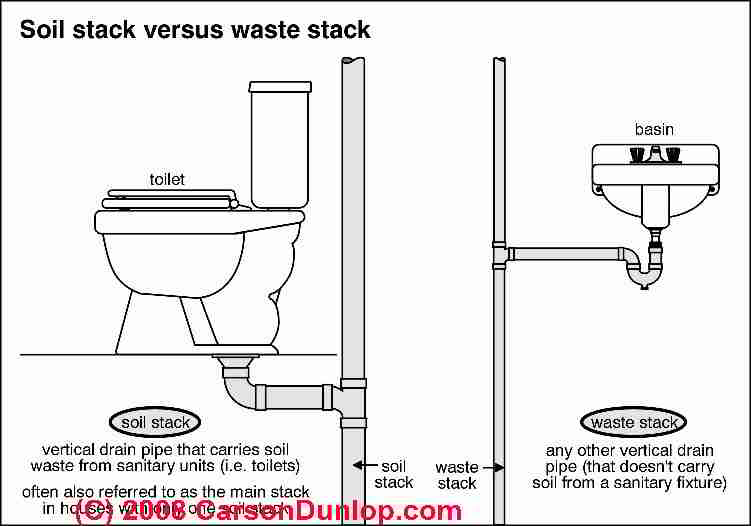
1000 Images About Bathroom Plumbing On Pinterest

Branched Drain Diagram Details By Greywater Corps Houzz Grey

Toilet Water Supply Line Interrupting Baseboard DIY In 2019 Toilet

How A Toilet Works Toilet Plumbing Diagrams HomeTips Heating And

Plumbing World Bathroom Plumbing Defined Home Maintenance

Water Supply Lines For Bathroom Sink Httpwwwdesignbabylon
Posting Komentar untuk "Toilet Water Supply Line Through Floor: Everything You Need to Know"